









Back to Main Press Page
Variety, July 23, 2008
By Caroline Ryder
If you happen upon any members of the Costume Designers Guild at Comic-Con this year, don't mention
the "M" word. "There's a huge, very lucrative thing called 'merchandising,' and it's shared between a very
small group of people -- and we're not in it," grumbles Oscar-winning costume designer James Acheson
("Spider-Man").
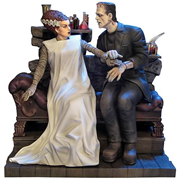
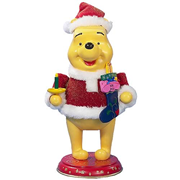
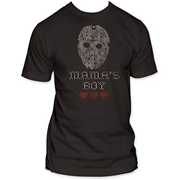
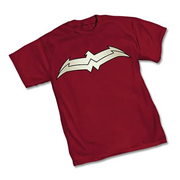
Hellboy figurines, X-Men lunchboxes, Jack Sparrow Halloween costumes -- as well as videogames, posters,
trading cards and McDonald's Happy Meal toys -- are the lifeblood of a movie-merchandizing industry
valued in the billions of dollars. But thanks to the "work for hire" nature of costume designers' contracts
with studios, they won't see a penny of it.
Greg Anzalone of Sideshow Collectibles, a California-based high-end toy and collectibles studio, hears
their frustration. "We do believe costume designers should be better recognized for their work," he says,
referencing Sideshow's book "Dressing a Galaxy: The Costumes of Star Wars."
But recognition isn't enough, insist costume designers, who don't understand why it is they see nada for their
work, while music supervisors, actors and theater stage designers receive royalty checks when studios
license the fruits of their labor.
"When you create a property, the studio owns the likeness, and they can do with it what they like," says Bif
Bang Pow partner Jason Labowitz, whose "Big Lebowski" bobbleheads and figures feature the characters'
signature attire.
Labowitz likens the costumes' recognition factor to Neca's "Shaun of the Dead" figures: "The short-sleeve
shirt and the tie -- it's what he wears through the whole movie, and I don't think anyone's getting credit for
that."
There are exceptions. Michael Runnels, VP of business affairs at ICM, says his client Joanna Johnston
presented her idea for a "Polar Express" pajama line to Warner Bros. and had her name on the inside label
of an official "War of the Worlds" jacket. But such deals are few and far between.
Lost potential earnings aside, designers believe excluding them from the merchandise design process often
results in substandard products. "A costume designer understands the character's aesthetic better than
anyone," says Deena Appel, who conceived "Austin Powers'" signature look and serves as spokeswoman for
the Costume Designers Guild. "We should have the opportunity to help make the products better -- and get
paid for it."